
Quotes are comparable only when they use the same information and boundaries. A lower total may reflect a smaller repair area, different access assumptions, excluded investigation or missing quality checks. Compare the content first, then the price.
Build a comparison schedule
For each quote, record included locations and quantities; units; investigation and design; materials and method; preparation and disposal; access and barriers; operational or traffic disruption; quality checks; programme and phasing; warranties and maintenance information. Mark each item included, excluded, priced as an option or uncertain.
Check that all bidders received the same drawings, photographs, inspection findings and answers to questions. Compare offers against the same version of the scope. If a bidder proposes an alternative method, assess it separately for performance, conditions and consequences for inspection and maintenance.
Read assumptions and exclusions
Look for exclusions covering concealed damage, substrate condition, water, active cracks, weather, night work, permits or temporary support. Check who verifies quantities and how additions or reductions are approved. A provisional sum without a measurement method or decision process leaves the final cost uncertain. Ask for clarification before scoring offers.
A useful quote links its proposed materials to the condition and repair objective, identifies preparation needs and explains how work and results will be recorded. Consider the project team's relevant experience and qualifications. A certificate proves only the stated scope and validity; it does not prove that a proposal suits this particular asset.
Compare risk and deliverability
Check whether sequencing, access, protection of users and temporary works fit the building or infrastructure. Ask how unexpected damage is reported and who makes repair decisions. Confirm that the proposed inspection can demonstrate what you intend to accept. A visual final inspection may show finish, for example, but does not by itself establish the condition of a hidden interface.
Set evaluation criteria in advance. Keep price, technical compliance, method quality, experience and risk as distinct, visible parts. Record treatment of alternatives, reasons for scores and clarifications received. For public procurement, follow the applicable procurement rules and internal procedures.
Questions for bidders
- What quantities and access conditions did you assume?
- What is excluded or included as a provisional sum?
- Which cause and repair objective support the selected method?
- Which inspections, records and acceptance criteria are included?
- How are variations priced and approved?
- What records will the client receive at handover?
If material assumptions differ, give all bidders the same clarification or request a revised common price basis. See also specifying concrete repair work and cost factors.
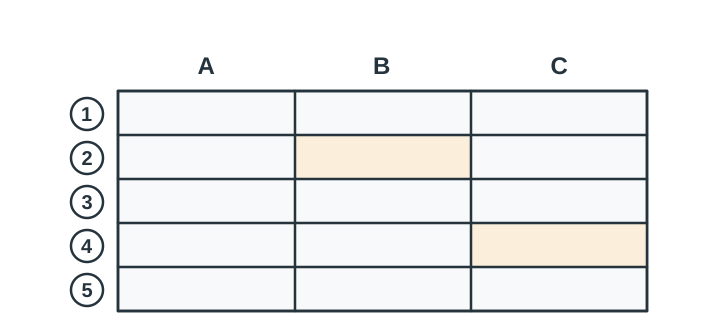 Compare bidders against the same predefined topics, keeping provisional sums and exclusions visible.
Rows · 1. Scope · 2. assumptions · 3. access · 4. quality checks · 5. pricing basis
Sources
- CROW, RAW-besteksvormen — Explains scope and price units in RAW contracts and framework agreements; jurisdiction-specific. Source.
- RICS, Tendering strategies, 1st ed. (UK), ch. 3.6 — Discusses bid instructions, evaluation criteria, pricing documents and clarifications in UK context. Source.
- Scottish Government, Construction Procurement Handbook, ch. 7, §§6.6–6.10 — Describes procurement information and bid clarification rules in Scotland; not a replacement for local law. Source.